
Author: pfairley
Peter Fairley has been reporting and commenting on energy and the environment for 25 years.
Fukushima Mon Amore
 Italy is hurtling towards a referendum on nuclear power this month that could deliver yet another blow to the beleaguered low-carbon energy option, following recent reversals in Switzerland, Germany and Japan. Political graffiti and propaganda that I recorded last week on the walls of Genoa mirror opinion polls that show Italian voters souring rapidly on nuclear energy. Continue reading “Fukushima Mon Amore”
Compressed-air Car Proponents Losing Faith
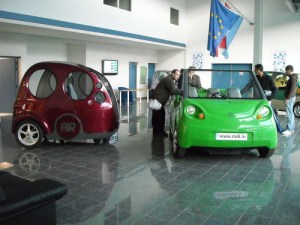 Licensees of the much-hyped AirPOD minicar are pressing for results from Motor Development International, the Luxembourg-registered firm behind the compressed-air-powered vehicle. In recent postings to their websites and coverage by European news sources, some of MDI’s partners are now openly questioning the technology and MDI’s capacity to develop it — questions that Spectrum raised in November 2009 in the investigative feature, “Deflating the Air Car.”
When Spectrum’s feature went to print, MDI was guaranteeing mass-production of AirPODs within a few months at its development base on France’s Cote d’Azur. A year and a half later there is no sign of the promised minicars and their advertised 140-kilometer range, and outspoken licensees are blaming MDI. Continue reading “Compressed-air Car Proponents Losing Faith”
Fukushima Inspires Change in Germany & China
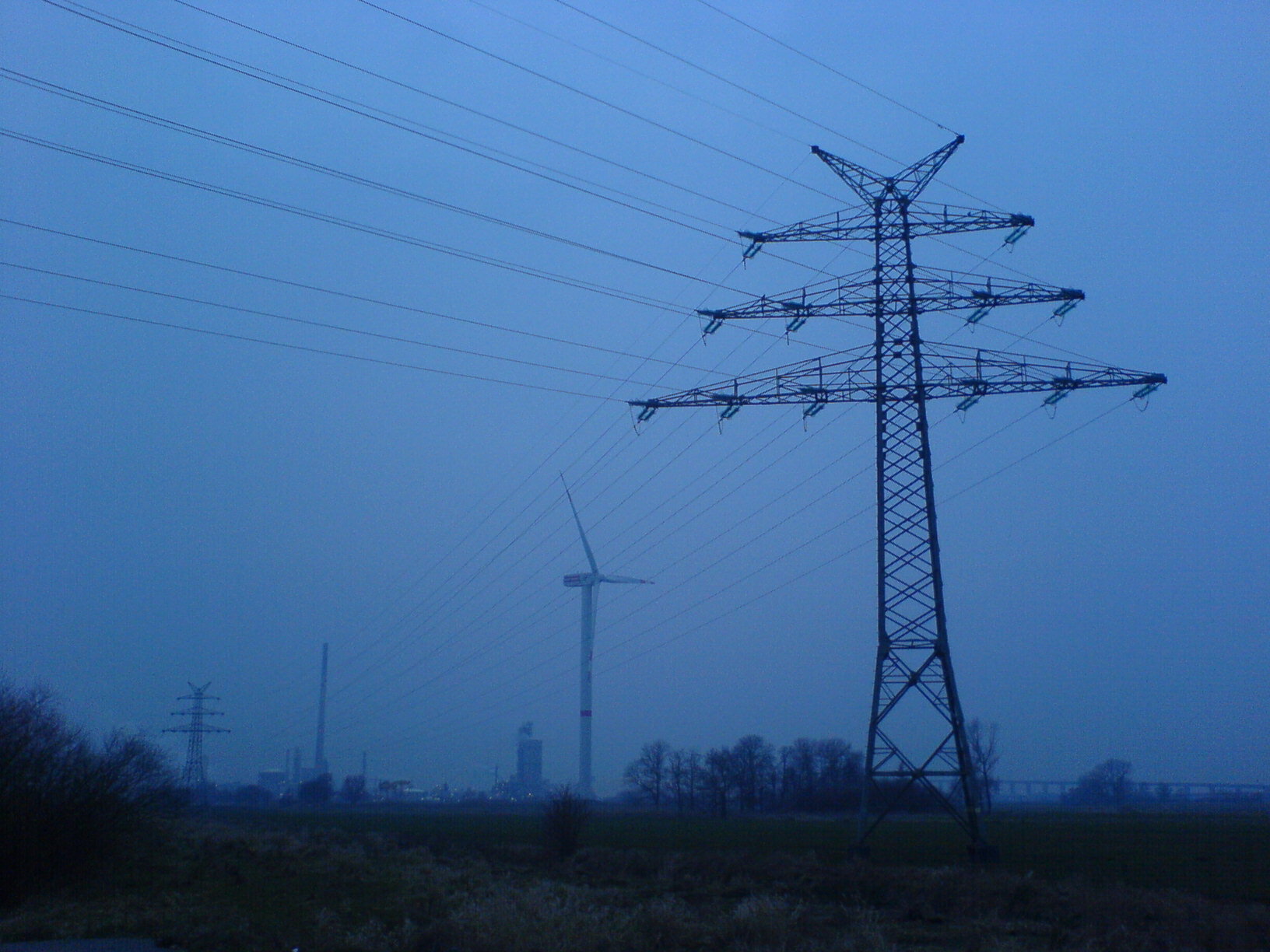 Amidst the stubbornly disappointing string of news emanating from Japan’s Fukushima Daiichi nuclear complex, there are signs that its melting nuclear fuel rods are inspiring some important and long-overdue developments in global power systems. And there’s good news for both nuclear supporters and critics.
Hopeful spinoff number one: Berlin is getting serious about upgrading the balkanized and inadequate transmission grid that represents a serious liability for Germany’s renewable energy ambitions.
Chancellor Angela Merkel’s decision last month to shut down Germany’s oldest nuclear reactors and temporarily scrub life extensions for the rest was widely seen as a sop to voters in the state of Baden-Württemberg. Well, Merkel’s Conservative Democrats lost the state to the Green Party, and she hasn’t looked back. Last week a document leaked from Germany’s Economy Ministry and reported by Bloomberg revealed plans to revamp the power grid–a precondition to replacing nuclear energy with solar, wind and other renewable power sources. Continue reading “Fukushima Inspires Change in Germany & China”
A Mighty Extreme Wind for Offshore Turbines
 In January we reported that winds across the Northern continents were losing some of their punch, and that climate change threatened to weaken them further — altogether bad news for wind power. In stark contrast, Australian researchers report today in the journal Science that gusts are accelerating over Earth’s oceans.
Unfortunately the trend offers offshore wind power a mixed bag: stronger but also more dangerous winds. “Mean wind conditions over the oceans have only marginally increased over the last 20 years. It is the extreme conditions where there has been a larger increase,” says Ian Young, vice chancellor at the Australian National University in Canberra and principal author of today’s report. Continue reading “A Mighty Extreme Wind for Offshore Turbines”
Glimmers of Hope in Japan or Wishful Thinking?
For those looking for hope amidst the nuclear threat afflicting post-Tsunami Japan, there are some glimmers of possibly positive developments to report from the Fukushima Daiichi nuclear power complex:
- Japanese authorities say that water canons and aerial water drops from helicopters may have stabilized reactor 3 and its fuel pool (video below). Of Fukushima Daiichi’s six reactors this was viewed as the most dangerous Continue reading “Glimmers of Hope in Japan or Wishful Thinking?”
Spent Nuclear Fuel Biting Back at Fukushima
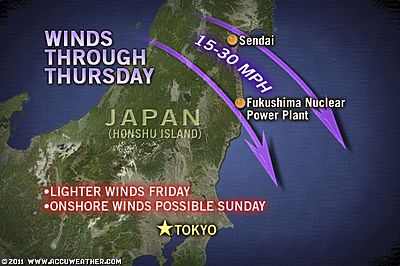 An explosion earlier today at Japan’s crippled Fukushima Daiichi nuclear power plant could indicate that the primary containment vessels protecting two of its reactors have now been breached. And yet, stunningly, that was not the day’s worst news. Instead concern increasingly focused on the plant’s highly radioactive spent fuel rods, stored in cooling pools above the reactors.
Damage sustained from last week’s massive earthquake and tsunami as well as subsequent fires and hydrogen explosions have critically limited plant operator Tokyo Electric Power’s ability to maintain cooling in several of the plants’ pools or even to replace water that is evaporating or boiling away. U.S. Nuclear Regulatory Commission chairman Gregory Jaczko told a Senate panel this afternoon that one of the pools was empty and that heating of the fuel bundles could thus melt them down—an outcome that could spread radioactive elements far beyond the site. Continue reading “Spent Nuclear Fuel Biting Back at Fukushima”
 Peter Fairley