The Society of Environmental Journalists’ Miami conference energy tour forged forward today, pursuing better understanding of South Florida’s energy options in spite of a disinvitation by local nuclear reactor operator Florida Power & Light. Continue reading “Digging into Miami’s Turkey Point Nuclear Power Station”
Author: pfairley
Peter Fairley has been reporting and commenting on energy and the environment for 25 years.
Chinese Bullet Trains’ Worrisome “Black-box” Controls
In August we brought you disquieting news that Hollysys Automation — the supplier of a control system implicated in China’s deadly bullet-train collision this summer — also provides controls for China’s nuclear reactors (which are multiplying just as fast as its high speed rail lines). The Hollysys story now looks darker after informed speculation reported in the Wall Street Journal that the company may not fully comprehend how the control systems work. Continue reading “Chinese Bullet Trains’ Worrisome “Black-box” Controls”
Notorious Grid Bottleneck Spawns Western Blackout
 The blackout that squelched power flows to nearly 5 million residents of Arizona, California and northern Mexico last night and shut down California’s San Onofre nuclear power plant may be the latest sign of strain in an outdated U.S. power grid. The incident began during maintenance at a substation in Yuma, Arizona that lies at the center of a sclerotic section of the grid between Phoenix and Tucson—one long recognized as critically congested and thus at heightened risk of failure. Continue reading “Notorious Grid Bottleneck Spawns Western Blackout”
Nuclear Safety Implications in China’s Bullet Train Wreck?

Fukushima Mon Amore
 Italy is hurtling towards a referendum on nuclear power this month that could deliver yet another blow to the beleaguered low-carbon energy option, following recent reversals in Switzerland, Germany and Japan. Political graffiti and propaganda that I recorded last week on the walls of Genoa mirror opinion polls that show Italian voters souring rapidly on nuclear energy. Continue reading “Fukushima Mon Amore”
Compressed-air Car Proponents Losing Faith
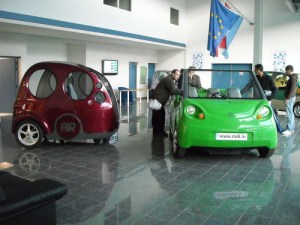 Licensees of the much-hyped AirPOD minicar are pressing for results from Motor Development International, the Luxembourg-registered firm behind the compressed-air-powered vehicle. In recent postings to their websites and coverage by European news sources, some of MDI’s partners are now openly questioning the technology and MDI’s capacity to develop it — questions that Spectrum raised in November 2009 in the investigative feature, “Deflating the Air Car.”
When Spectrum’s feature went to print, MDI was guaranteeing mass-production of AirPODs within a few months at its development base on France’s Cote d’Azur. A year and a half later there is no sign of the promised minicars and their advertised 140-kilometer range, and outspoken licensees are blaming MDI. Continue reading “Compressed-air Car Proponents Losing Faith”
Fukushima Inspires Change in Germany & China
 Amidst the stubbornly disappointing string of news emanating from Japan’s Fukushima Daiichi nuclear complex, there are signs that its melting nuclear fuel rods are inspiring some important and long-overdue developments in global power systems. And there’s good news for both nuclear supporters and critics.
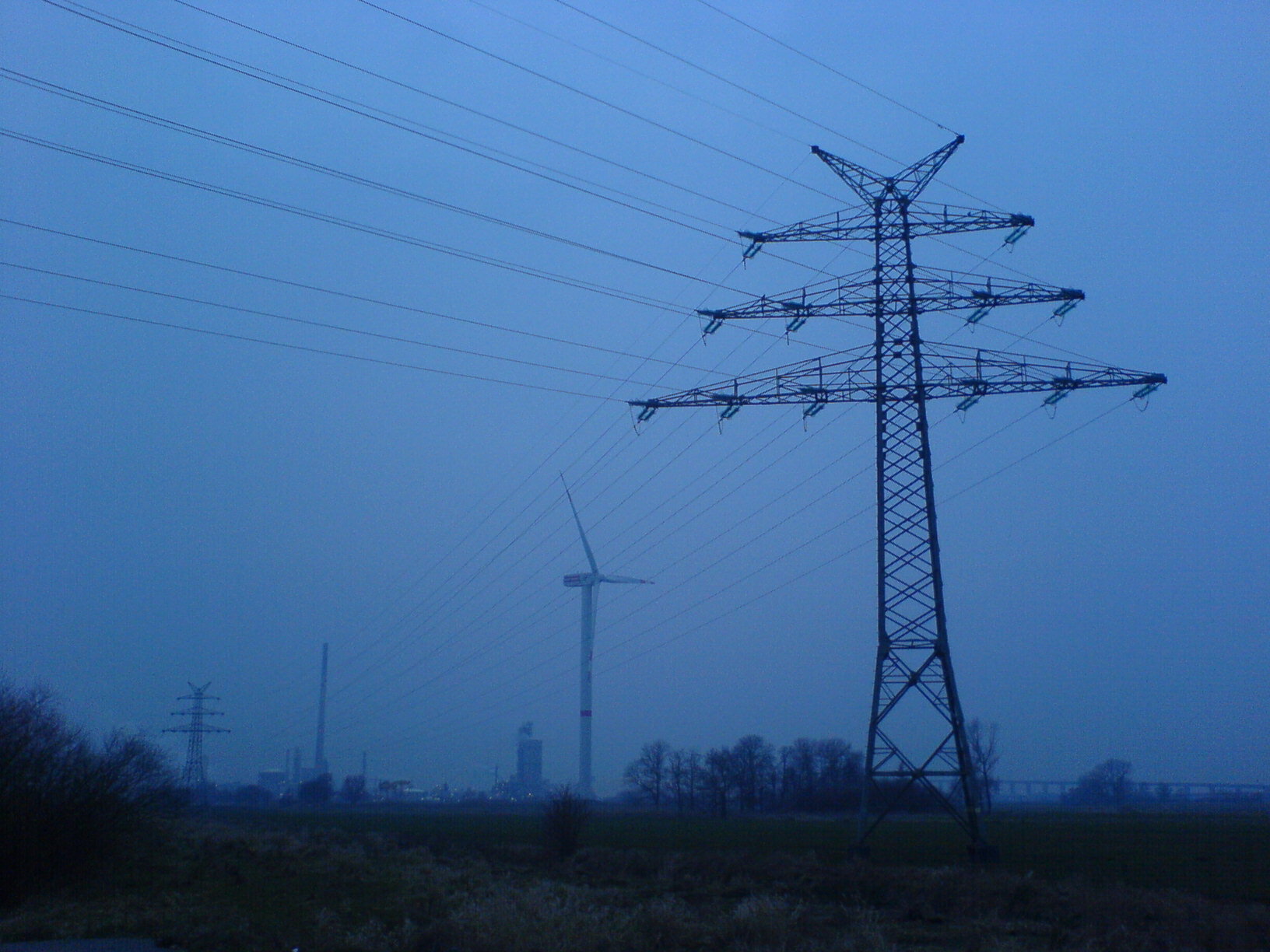
Hopeful spinoff number one: Berlin is getting serious about upgrading the balkanized and inadequate transmission grid that represents a serious liability for Germany’s renewable energy ambitions.
Chancellor Angela Merkel’s decision last month to shut down Germany’s oldest nuclear reactors and temporarily scrub life extensions for the rest was widely seen as a sop to voters in the state of Baden-Württemberg. Well, Merkel’s Conservative Democrats lost the state to the Green Party, and she hasn’t looked back. Last week a document leaked from Germany’s Economy Ministry and reported by Bloomberg revealed plans to revamp the power grid–a precondition to replacing nuclear energy with solar, wind and other renewable power sources. Continue reading “Fukushima Inspires Change in Germany & China”

