In August we brought you disquieting news that Hollysys Automation — the supplier of a control system implicated in China’s deadly bullet-train collision this summer — also provides controls for China’s nuclear reactors (which are multiplying just as fast as its high speed rail lines). The Hollysys story now looks darker after informed speculation reported in the Wall Street Journal that the company may not fully comprehend how the control systems work. Continue reading “Chinese Bullet Trains’ Worrisome “Black-box” Controls”
Category: Nuclear Power
Nuclear Safety Implications in China’s Bullet Train Wreck?

Fukushima Mon Amore
 Italy is hurtling towards a referendum on nuclear power this month that could deliver yet another blow to the beleaguered low-carbon energy option, following recent reversals in Switzerland, Germany and Japan. Political graffiti and propaganda that I recorded last week on the walls of Genoa mirror opinion polls that show Italian voters souring rapidly on nuclear energy. Continue reading “Fukushima Mon Amore”
Fukushima Inspires Change in Germany & China
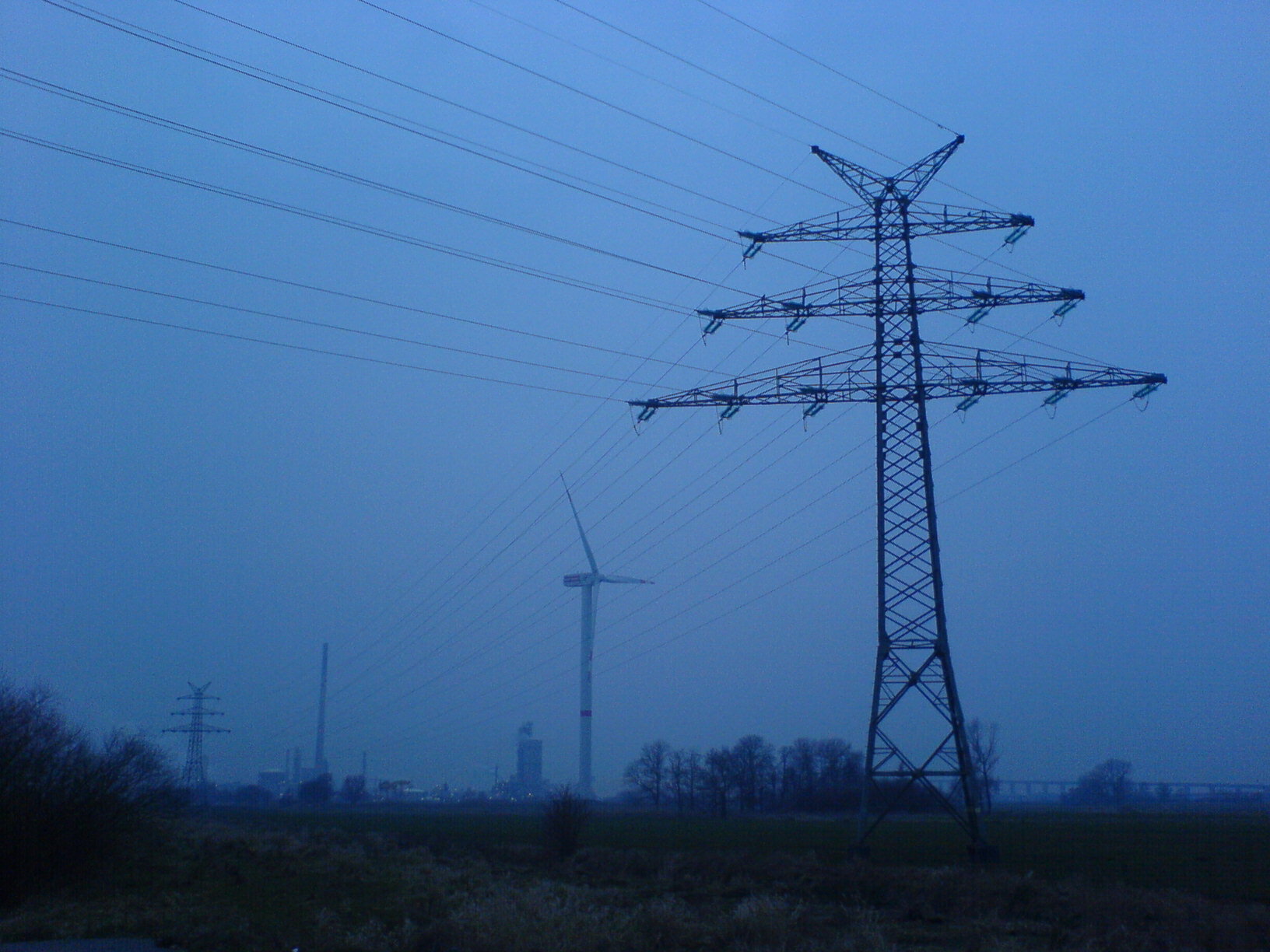 Amidst the stubbornly disappointing string of news emanating from Japan’s Fukushima Daiichi nuclear complex, there are signs that its melting nuclear fuel rods are inspiring some important and long-overdue developments in global power systems. And there’s good news for both nuclear supporters and critics.
Hopeful spinoff number one: Berlin is getting serious about upgrading the balkanized and inadequate transmission grid that represents a serious liability for Germany’s renewable energy ambitions.
Chancellor Angela Merkel’s decision last month to shut down Germany’s oldest nuclear reactors and temporarily scrub life extensions for the rest was widely seen as a sop to voters in the state of Baden-Württemberg. Well, Merkel’s Conservative Democrats lost the state to the Green Party, and she hasn’t looked back. Last week a document leaked from Germany’s Economy Ministry and reported by Bloomberg revealed plans to revamp the power grid–a precondition to replacing nuclear energy with solar, wind and other renewable power sources. Continue reading “Fukushima Inspires Change in Germany & China”
Glimmers of Hope in Japan or Wishful Thinking?
For those looking for hope amidst the nuclear threat afflicting post-Tsunami Japan, there are some glimmers of possibly positive developments to report from the Fukushima Daiichi nuclear power complex:
- Japanese authorities say that water canons and aerial water drops from helicopters may have stabilized reactor 3 and its fuel pool (video below). Of Fukushima Daiichi’s six reactors this was viewed as the most dangerous Continue reading “Glimmers of Hope in Japan or Wishful Thinking?”
Spent Nuclear Fuel Biting Back at Fukushima
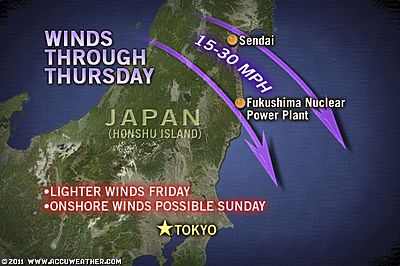 An explosion earlier today at Japan’s crippled Fukushima Daiichi nuclear power plant could indicate that the primary containment vessels protecting two of its reactors have now been breached. And yet, stunningly, that was not the day’s worst news. Instead concern increasingly focused on the plant’s highly radioactive spent fuel rods, stored in cooling pools above the reactors.
Damage sustained from last week’s massive earthquake and tsunami as well as subsequent fires and hydrogen explosions have critically limited plant operator Tokyo Electric Power’s ability to maintain cooling in several of the plants’ pools or even to replace water that is evaporating or boiling away. U.S. Nuclear Regulatory Commission chairman Gregory Jaczko told a Senate panel this afternoon that one of the pools was empty and that heating of the fuel bundles could thus melt them down—an outcome that could spread radioactive elements far beyond the site. Continue reading “Spent Nuclear Fuel Biting Back at Fukushima”
German Election A Likely Reprieve for Nuclear
Germany’s election this weekend could save nuclear energy’s neck, at least in Europe, thanks to the decisive re-election of Chancellor Angela Merkel and her center-right Christian Democratic Union. It may not be enough to secure the nuclear industry’s troubled renaissance, as poster-child projects bog down in delays and cost overruns. But Merkel could keep Germany’s reactors operating for another 15 years or so beyond the 2022 deadline set under her predecessor and erstwhile coalition partners, the Social Democrats.
“German poll gives mandate to delay nuclear phaseout” is the clarity with which Reuters presented the election’s energy implications in an article yesterday. That is surprising, given the extensive coverage given by German media to a supposed upwelling of antinuclear sentiment in the weeks leading up to the election. Continue reading “German Election A Likely Reprieve for Nuclear”
 Peter Fairley