With coal’s environmental profile under fire and natural gas prices well above historic levels, nuclear is surging forward. That’s because it provides baseload power — unlike the shifting output from most renewable energy sources* — and because Washington is providing lucrative tax breaks and loan guarantees under the 2005 energy bill masterminded by Dick Cheney. But could the nuclear industry become its own worst enemy if its surge overwelms the regulators charged with keeping it safe?
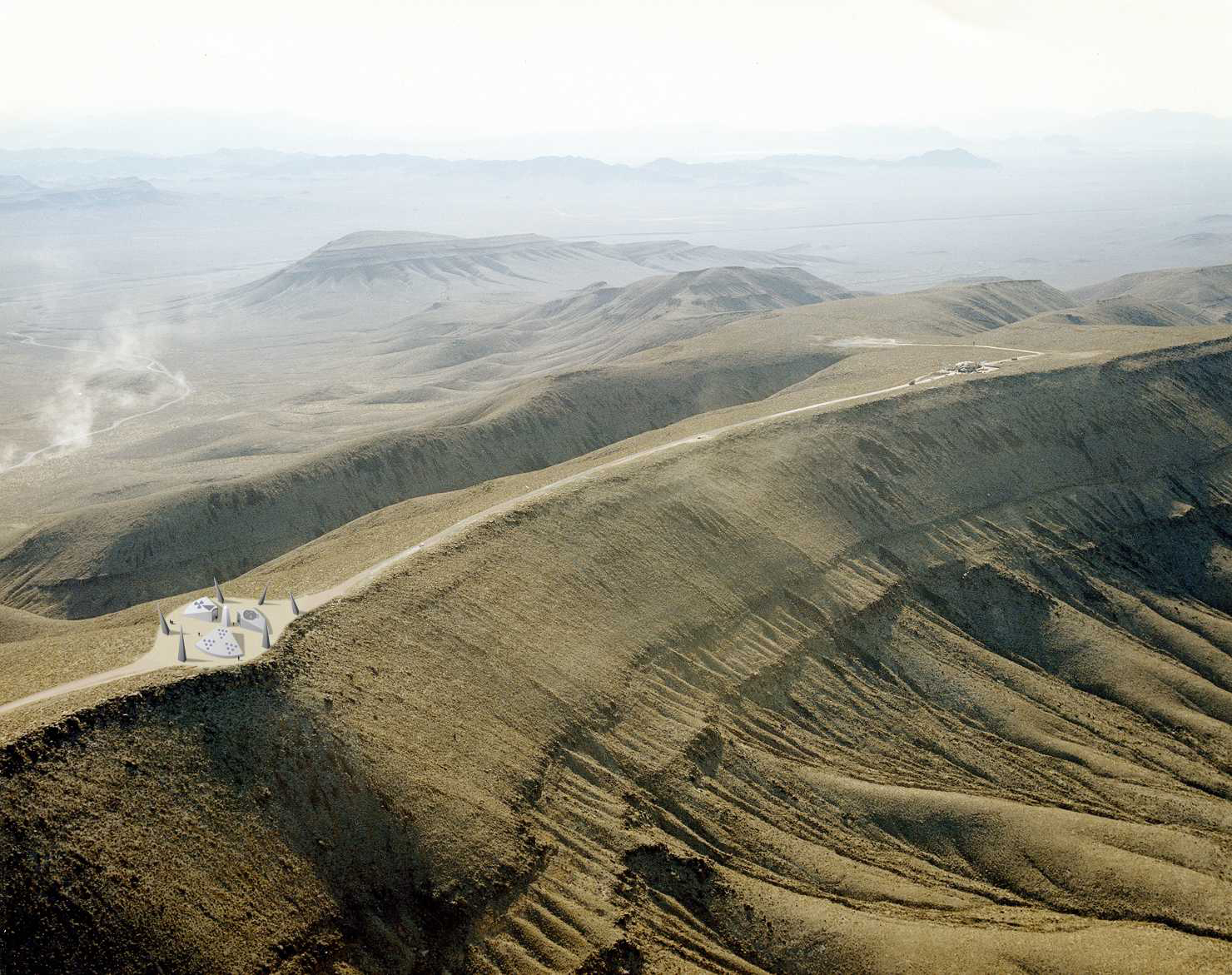
That’s the question being asked after the filing late last month of the first licensing applications for new nuclear reactors in 29 years. The construction and operating application filed by NRG Energy is the first of 19 expected to hit the U.S. Nuclear Regulatory Commission by the end of 2008. Combine that with an anticipated spike in uranium fuel production, certification of new nuclear plant designs and the Department of Energy’s Yucca Mountain waste repository, and ongoing safety incidents at aging reactors across the U.S. and you’ve got a perfect storm that will severely test the NRC. See “Nuclear Energy Revs Up” for my coverage this morning on MIT’s TechReview.com.
*Large hydropower projects have long provided renewable baseload power because while the rain is intermittent, a large high reservoir can release its potential energy gradually to track energy demand. Last month Carbon-Nation presented another renewable energy source with baseload potential — solar thermal energy — which stores solar energy in the form of superhot water.
 :
:  :
:  :
:  :
:  :
:  :
:  :
:  :
:  :
:  :
: 
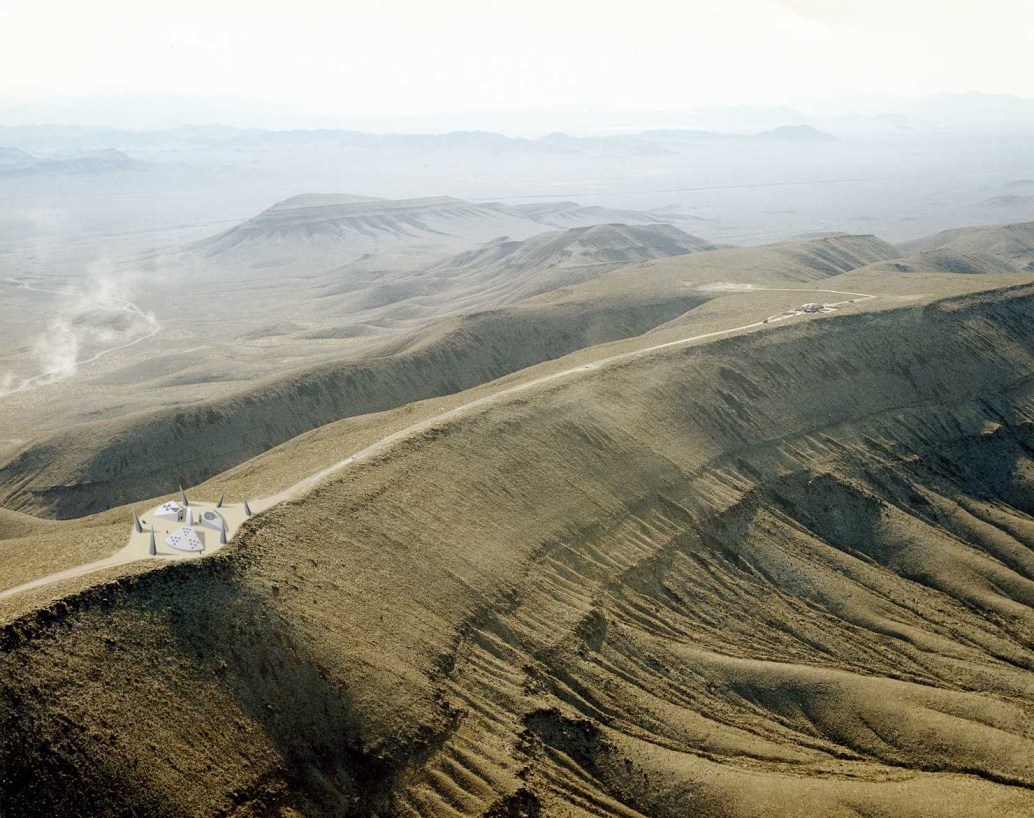 To consider nuclear power as a solution to climate change one must confront the legacy of high-level radioactive waste that is building up at power plants across the U.S. and Canada. This week the Las Vegas Review-Journal showed yet again how difficult it will be for regulators to bury the high-level
  Peter Fairley