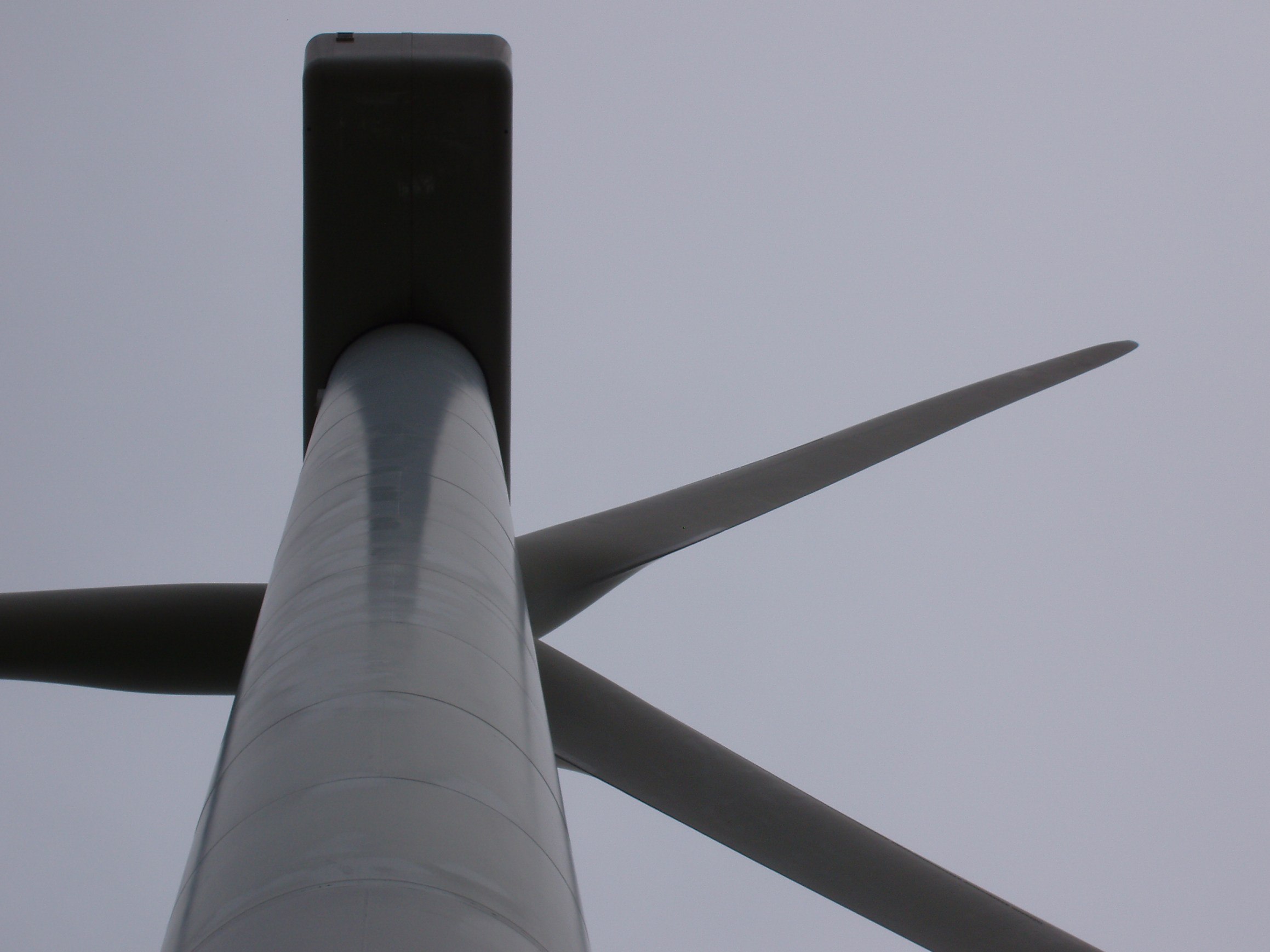
 For several years now the American Wind Energy Association has been telling anyone who’d listen that access to power transmission lines was quickly emerging as the greatest impediment to continued expansion of wind farms — renewable energy’s biggest success story of the decade. This puts wind power in a very uncomfortable place given the cost and unpopularity of high-voltage power lines, which multiply similar issues faced by the wind farms themselves.
Case in point is recent opposition to new power lines under construction in southern California to bring wind power out of the Tehachapi Mountains. Southern California Edison and California regulators say the 500kv lines are needed to meet the state’s agressive renewable portfolio standard, which mandates that the utility meet 20% of electricity demand with renewable sources by 2010.
But according to today’s LA Times a few dozen cabin owners in the Angeles National Forest, to be bisected by the lines, pose an unacceptable fire risk to their cabins. This otherwise fine piece of reporting neglects to ask one important question: Should these people be living in a national forest, where fire is a natural component of the ecosystem?
One piece of good news from California: the state is not only expanding grid capacity for renewable energy today, but also creating new approaches to grid financing that will help address the cost burden of building new power lines. Under current market rules set by the Federal Energy Regulatory Commission (FERC) in D.C., windfarm developers must pay up front for the cost of new transmission capacity built to bring their electricity to market.
However, FERC recently approved a California proposal enabling utilities to pay the upfront cost of building new transmission lines and then recover that investment from the line’s users as they feed in their power. Folks at CalISO, the independent system operator which controls California’s grid, tell me the new financing scheme has kickstarted other wind projects and a geothermal project elsewhere in the state that were heretofore stymied by the transmission cost-penalty.
 :
:  :
:  :
:  :
:  :
:  :
:  :
:  :
:  :
:  :
: