Let the Electrons Blow

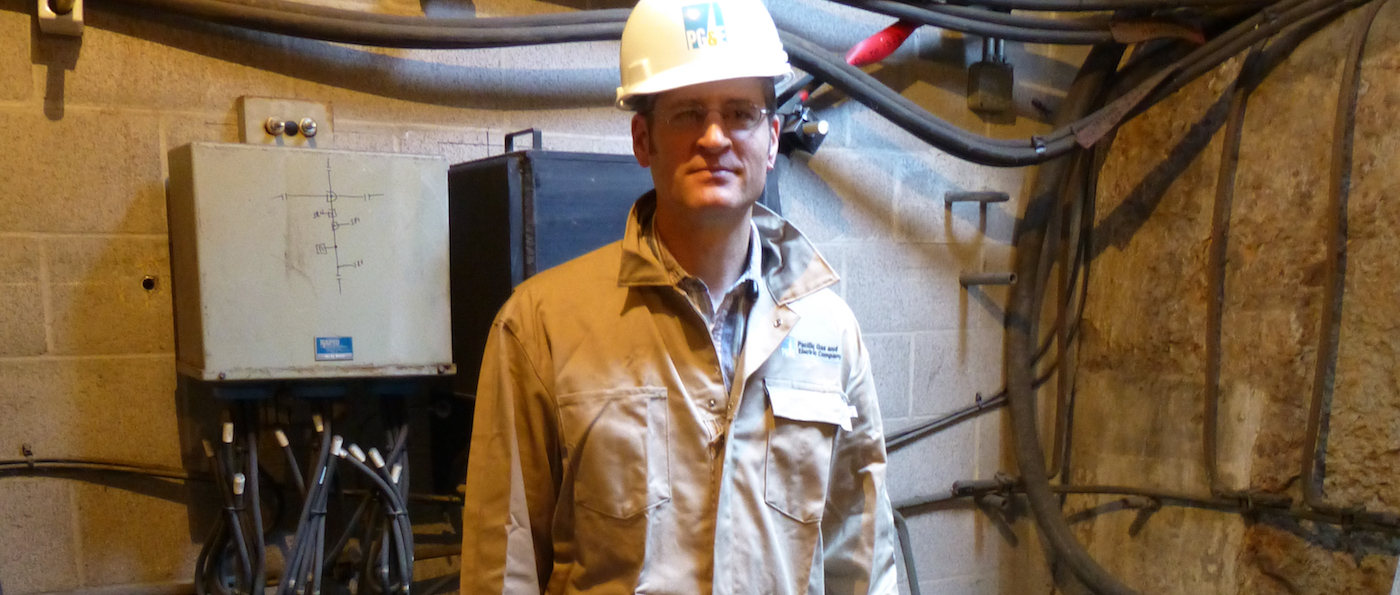
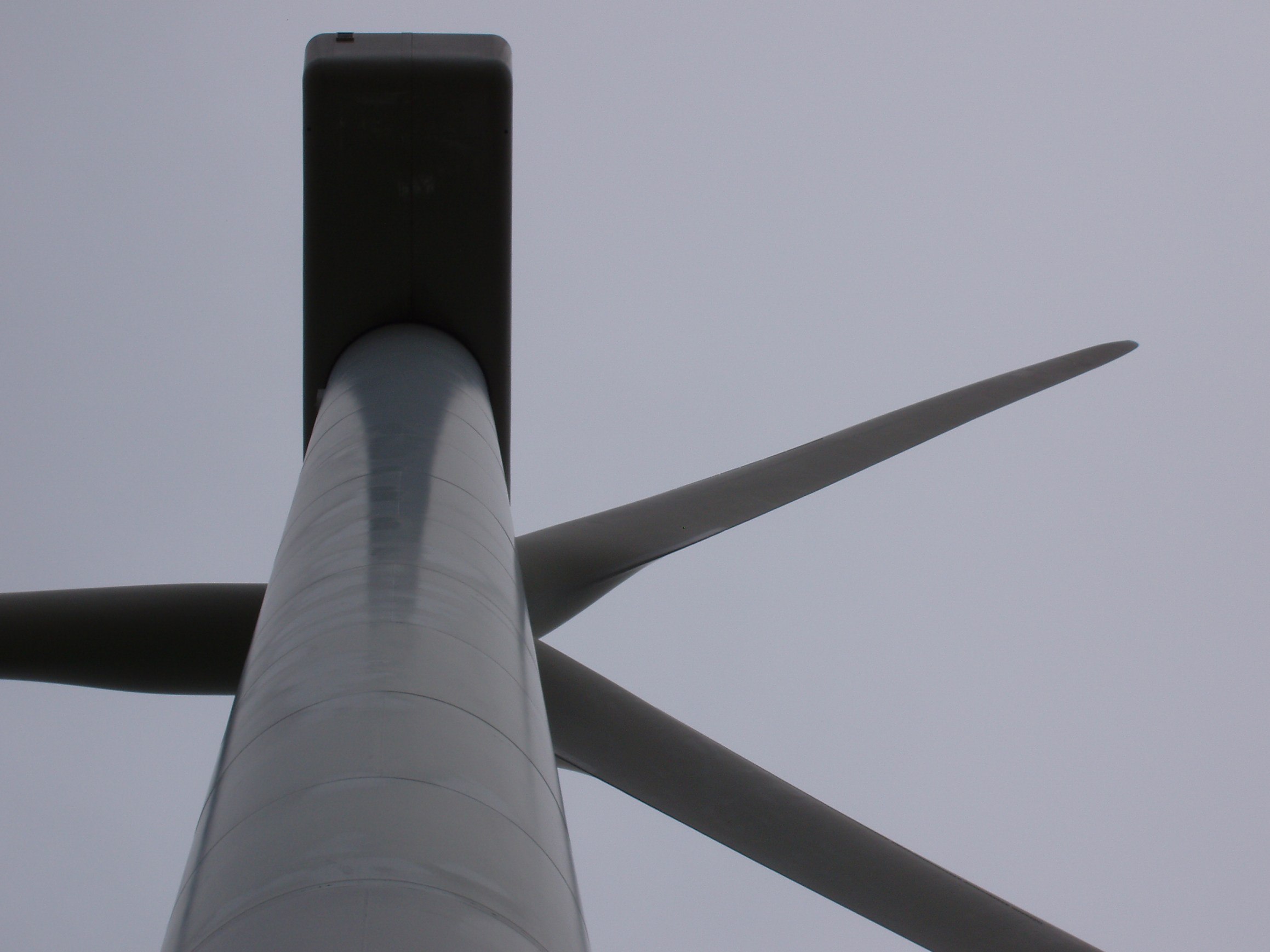
Up close and personal with a Pennsylvania wind turbineFor several years now the American Wind Energy Association has been telling anyone who’d listen that access to power transmission lines was quickly emerging as the greatest impediment to continued expansion of wind farms — renewable energy’s biggest success story of the decade. This puts wind power in a very uncomfortable place given the cost and unpopularity of high-voltage power lines, which multiply similar issues faced by the wind farms themselves.

Case in point is recent opposition to new power lines under construction in southern California to bring wind power out of the Tehachapi Mountains. Southern California Edison and California regulators say the 500kv lines are needed to meet the state’s agressive renewable portfolio standard, which mandates that the utility meet 20% of electricity demand with renewable sources by 2010.

But according to today’s LA Times a few dozen cabin owners in the Angeles National Forest, to be bisected by the lines, pose an unacceptable fire risk to their cabins. This otherwise fine piece of reporting neglects to ask one important question: Should these people be living in a national forest, where fire is a natural component of the ecosystem?

One piece of good news from California: the state is not only expanding grid capacity for renewable energy today, but also creating new approaches to grid financing that will help address the cost burden of building new power lines. Under current market rules set by the Federal Energy Regulatory Commission (FERC) in D.C., windfarm developers must pay up front for the cost of new transmission capacity built to bring their electricity to market.

However, FERC recently approved a California proposal enabling utilities to pay the upfront cost of building new transmission lines and then recover that investment from the line’s users as they feed in their power. Folks at CalISO, the independent system operator which controls California’s grid, tell me the new financing scheme has kickstarted other wind projects and a geothermal project elsewhere in the state that were heretofore stymied by the transmission cost-penalty.

add to del.icio.us : Add to Blinkslist : add to furl : Digg it : add to ma.gnolia : Stumble It! : add to simpy : seed the vine : : : TailRank

Fire the Grid

People around the world answered a call today to “fire the grid” this morning at 11:11am Greenwich Mean Time (7:11am EST). Unfortunately they’re not firing the grid that concerns me — the power grid — but rather the ‘earth grid’. Seems a near-death experience followed by other-worldly “light beings” inspired the organizer to call for a global spiritual embrace of the planet.  

Too bad. I for one thought that they were planning to lay-off electricity for a global hour, much as TV TurnOff Week frees our minds each April. Turning off the grid could be equally instructive.Pacific Northwest National Lab

The hour without power would be an opportunity to appreciate the grid, which has been called the greatest machine ever built and yet is all too often taken for granted. We should pay it heed, because the power grid needs to be modernized if it’s to shoulder increasing loads of clean-but-intermittent renewable energy.

At present investment is low. Universities have eliminated much of their research and teaching related to high-voltage power transmission. The power industry, meanwhile, spends just 0.3 percent of revenues on R&D, one of the lowest rates for any industrial sector. As one power expert lamented during an interview, “We’re beat out easily by the pet food manufacturers.”

Turning off the grid would also serve as a moment to reflect on our growing dependence on the various devices we plug into the power grid — some that we could easily get by without and others that may aggravate the stress and disconnectedness of modern life.

Science writer Phillip Schewe captured that last point succinctly in his wonderfully written precis on modern power systems: The Grid. Describing New Yorkers’ experiences of the August 14, 2003 blackout — the largest power system failure in history — Schewe writes that “after complaining about spoiled food or lost computer files” many also expressed a “sort of joy” at the conversations they enjoyed and the moments they spent with their children: “Provided it wasn’t too inconvenient, the absence of electricity was welcome. At least for a night.”

In The Grid Schewe toys with making the blackout a monthly affair, then rejects it as impractical. But one hour a year might not be so bad…

add to del.icio.us : Add to Blinkslist : add to furl : Digg it : add to ma.gnolia : Stumble It! : add to simpy : seed the vine : : : TailRank

Payoff from Sustained Solar Power R&D

Something good is happening in the world of photovoltaics: renewed investment in R&D is increasing the efficiency with which solar cells convert sunlight into electricity. See, for example, two reports I recently posted to the MIT Technology Review website:

Today’s on the latest in plastic solar cells: “Record Efficiency for Plastic Solar Cells”. And last month’s on the high-output crystal cells employed mostly in satellites: “Ultra-efficient Photovoltaics”.

That such performance gains are occurring in cells employing such radically different technologies suggests a systemic development. Alan Heeger, the 2000 Nobel Prize winner behind today’s advance in plastic power, told me his greatest hope is that the U.S. Department of Energy funding flowing once again to solar R&D will endure.

Consistent support is something the U.S. solar research community has never had. Support for PV jumped amid the 1970s energy crises, crashed with the energy price slide under Reagan, came back under Clinton and then fell again when Bush arrived. Plastic photovoltaics suffered similar short-term thinking in 2005 when DARPA (the Pentagon’s Advanced Research Projects Agency) quietly shelved a $40 million R&D program in plastic and other forms of “organic” solar after just one year of research.

“My hope is that interest on the part of the funding agencies and more generally on the part of the people in this country is sustained,” says Heeger. Only that consistency, he told me, will deliver the improvements required to make solar a big part of the solution.

add to del.icio.us : Add to Blinkslist : add to furl : Digg it : add to ma.gnolia : Stumble It! : add to simpy : seed the vine : : : TailRank