Getting Off Gas, Block by Block

Electrifying homes and businesses one at a time can be hard, and leave people behind. What if we could instead liberate entire neighborhoods from reliance on natural gas? A few utilities are taking baby steps to do just that, helping customers go all-electric en masse so it can start dismantling their gas grids.

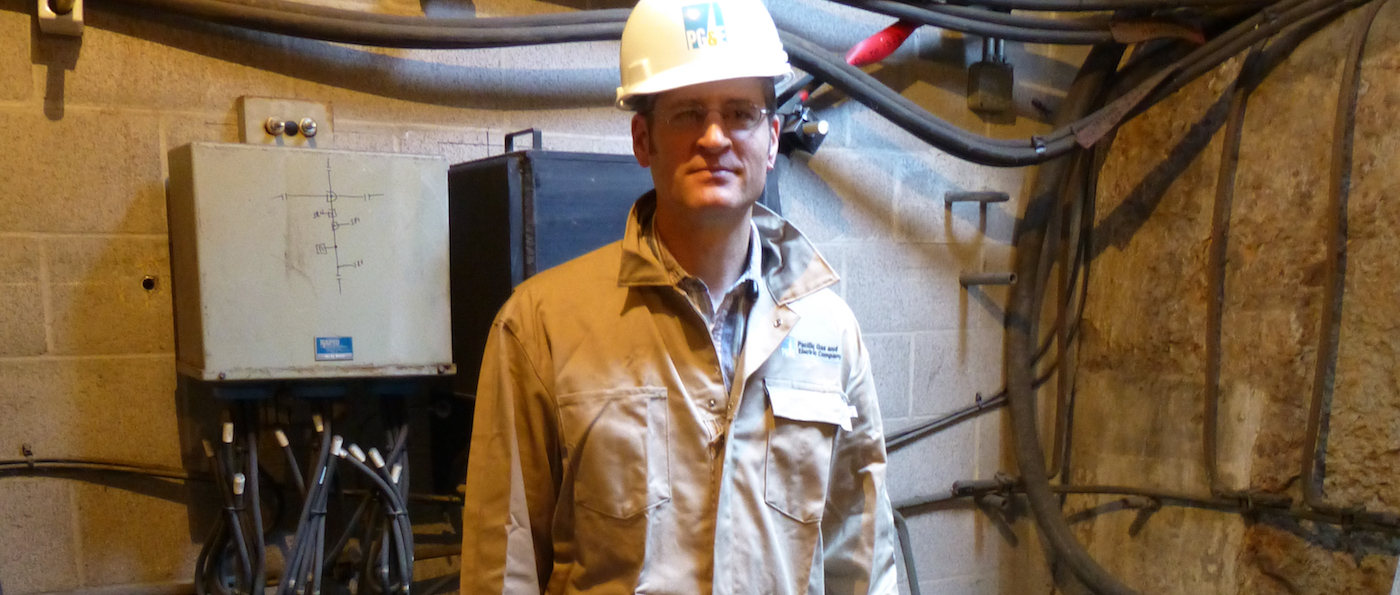
Since 2018 San Francisco-based PG&E has been finding spots where it can make a buck by capping dodgy gas pipes rather than replacing them. After nipping pipes around the edges of its gas grid, removing pipes that serve just a handful of customers each, PG&E is now preparing to lop off some sizeable branches. The first large test moving forward targets 32,000 feet of gas pipes at a California State University campus, perched atop coastal dunes at a former army base north of Monterey. PG&E will ditch the pipes by equipping 600 student housing units with electric heat pumps, stoves and water heaters.

Such ‘strategic decommissioning’ of gas grids is not just a way to accelerate decarbonization. It’s simultaneously combating energy injustice. Without immediate reductions in spending on gas infrastructure, disadvantaged customers will be left paying for oversized gas grids as more affluent households go all-electric and quit the system. As Building Decarbonization Coalition executive director Panama Bartholomy told me: “Every time we put a new natural gas pipe in the ground, we’re knowingly putting a financial time bomb in the ground.”

Read my feature for Sierra Magazine, Getting Off Gas: Block By Block

A paired Sierra news piece profiles the pioneering geothermal network that Boston-based Eversource Energy and Massachusetts climate action group HEET started up this summer. Water pipes running under streets in Framingham, MA serve as the system’s circulatory system, democratizing access to 90 geothermal bore holes. Since August a fire hall, school, gas station, cabinet shop, city-run housing units for the elderly and disabled, and 22 single-family homes and duplexes have been heating and cooling by exchanging heat with the clay and rock 600 to 700 feet below the city. The super high efficiency of such thermal energy networks should reduce peak summer and winter electricity demand, slashing the need for new transmission lines by 33 percent according to a 2023 US national labs study. They also offer gas utilities and workers a post-combustion raison d’etre, potentially turning energy transition obstacles into a driving force for building decarbonization.

Read my Sierra news piece, Geothermal Helps Communities Get Off Fossil Gas

The Sierra articles are the 2nd and 3rd instalments in Tapping Off, a reporting project supported by the Society of Environmental Journalists’ Fund for Environmental Journalism. Part 1, published by The Tyee, profiled Washington state utility Puget Sound Energy’s use of customer electrification to put the brakes on gas expansion.

Read Part 1 online @The Tyee
Scientific American: Europe Stores Electricity in Gas Pipes

This month Denmark’s biggest energy firm, Ørsted, said wind farms it is proposing for the North Sea will convert some of their excess power into gas. Electricity flowing in from offshore will feed on-shore electrolysis plants that split water to produce clean-burning hydrogen, with oxygen as a by-product. That would supply a new set of customers who need energy, but not as electricity. And it would take some strain off of Europe’s power grid as it grapples with an ever-increasing share of hard-to-handle renewable power.

Turning clean electricity into energetic gases such as hydrogen or methane is an old idea that is making a comeback as renewable power generation surges. That is because gases can be stockpiled within the natural gas distribution system to cover times of weak winds and sunlight. They can also provide concentrated energy to replace fossil fuels for vehicles and industries. Although many U.S. energy experts argue that this “power-to-gas” vision may be prohibitively expensive, some of Europe’s biggest industrial firms are buying in to the idea.

European power equipment manufacturers, anticipating a wave of renewable hydrogen projects such as Ørsted’s, vowed in January that all of their gas-fired turbines will be certified by next year to run on up to 20 percent hydrogen, which burns faster than methane-rich natural gas. The natural gas distributors, meanwhile, have said they will use hydrogen to help them fully de-carbonize Europe’s gas supplies by 2050…

Read the rest at Scientific American

Sniffing Gas: White House Taps ARPA-E to Boost Methane Detection

This month’s issue of IEEE Spectrum spotlights methane emissions overlooked by the U.S. EPA’s official inventory, and the satellite-based detector launching next year to map this “missing methane.” Last week the White House acknowledged EPA’s missing methane problem, and laid out a strategy to combat it. While promising to improve EPA’s inventory, including more use of top-down methane measurement, the White House also promised federal investment in ground-based methane sensing to plug leaky natural gas systems thought to be the source of much of the missing methane. Action can’t come soon enough according to the Intergovernmental Panel on Climate Change (IPCC), which on Monday unveiled its latest climate assessment. The IPCC said “widespread and consequential” impacts are already visible and world leaders have only a few years to change course to avoid catastrophic warning. Methane is a major contributor according to the scientific body, which deems methane to be up to 44 percent more potent as a warming agent than previously recognized. Continue reading “Sniffing Gas: White House Taps ARPA-E to Boost Methane Detection”

Counting the Sins of Chinese SynGas

Heavy water use, threats of tainted groundwater, and artificial earthquakes are but a sampling of the environmental side effects that have tarnished North America’s recent boom in natural gas production via hydraulic fracturing or fracking. No surprise then that in European countries such as the U.K. that are looking to frack for cheap domestic gas, the environmental protesters often arrive ahead of the drill rigs.

But countries seeking fresh gas supplies could do far worse than fracking. So say Duke University researchers who, in today’s issue of the research journal Nature Climate Change, shine a jaundiced spotlight on China’s plans to synthesize natural gas from coal. Nine synthetic gas plants recently approved by Beijing would increase the annual demand for water in the country’s arid northern regions by over 180 million metric tons, the Duke team concluded, while emissions of carbon dioxide would entirely wipe out the climate-cooling impact of China’s massive wind and solar power installations. Continue reading “Counting the Sins of Chinese SynGas”

The Debate: Fracking and the Future of Energy

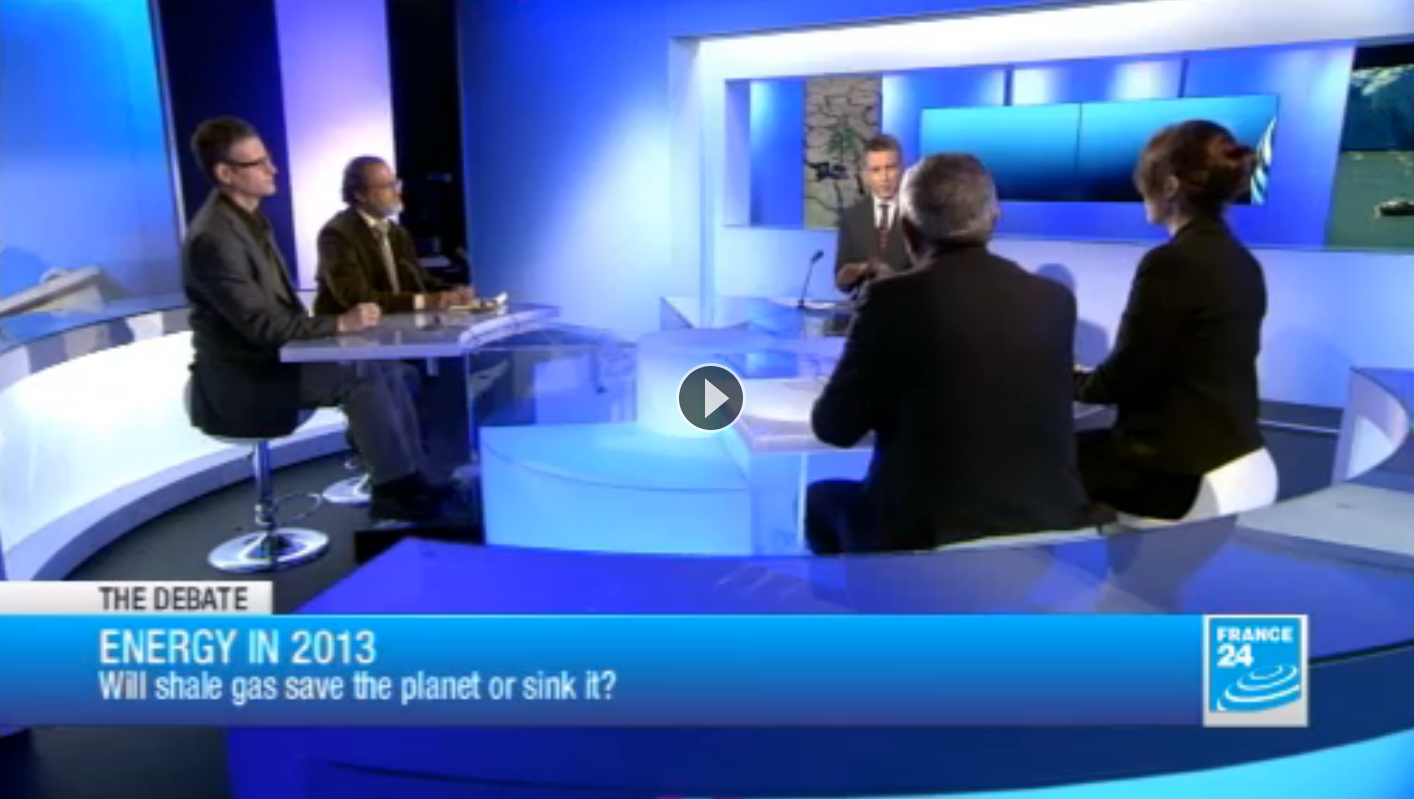
France 24 Energy in 2013 DebateThe Arctic is melting faster than predicted. Is now the time to shut down the low-carbon nuclear power plants in France — the 20th Century’s staunchest proponent of nuclear energy? Is natural gas produced via hydraulic fracturing or ‘fracking’ a gift that is buying time for a transition to renewable energy or a curse that reinforces fossil fuel dependence? Will carbon belching heavyweights such as the U.S. and China ever get serious about cleaning up their energy systems?

Such questions are top order in France, whose President kicked off a Grand Débat on energy this month Continue reading “The Debate: Fracking and the Future of Energy”

Is Gas Fracking Inducing Earthquakes?

India’s Koyna Dam: The textbook case for induced seismicity

Fracking for natural gas, whereby gas-trapping rock formations are blasted open with high-pressure water and chemicals, has prompted serious concerns over the safety of groundwater supplies. But another risk is gaining profile: the potential for inducing nerve-rattling microseismicity or, potentially, unleashing a quake of truly destructive magnitude. Like the magnitude-5.6 quake that rocked Oklahoma last weekend.

As I documented for Spectrum magazine this spring, human activity can and does induce earthquakes. Continue reading “Is Gas Fracking Inducing Earthquakes?”

Quebecers Say ‘Non’ to “Gaz de Shit”

Heckled and booed off the stage at a series of public meetings earlier this month, Quebec’s salesman-in-chief for a novel energy development withdrew from the fight this week — citing the advice of worried doctors but vowing to rejoin the fight. The inspiration for André Caillé’s intemperate welcome was not a coal-fired power plant or a pipeline full of heavy oil from Alberta’s tarsands, but what until recently was considered the green fossil fuel: methane. Continue reading “Quebecers Say ‘Non’ to “Gaz de Shit””