
Nuclear power plants’ reactor pressure vessels —the massive steel jars that hold a nuclear plant’s fissioning fuel—face incessant abuse from their radioactive contents. And they must be built with extra toughness to withstand pressure and temperature swings during loss-of-cooling accidents like the one that struck Japan’s Fukushima nuclear power plant in 2011. But nuclear safety authorities have recently discovered weaknesses in several pressure vessels, and their contrasting responses suggest that the ultimate lessons from Fukushima are still sinking into international nuclear power culture. This is especially true in the United States, where the Nuclear Regulatory Commission is resisting calls to mandate tougher inspection of RPVs. Continue reading “NRC Resisting Europe’s Nuclear Safety Upgrades”
Tag: Nuclear Power
Could Europe’s New Grid Algorithm Black-out Belgium?
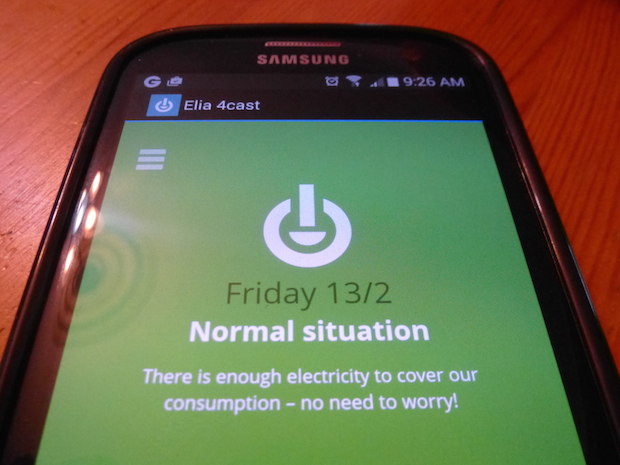
Two of the big European power grid stories from 2014 were the software-enabled enlargement of the European Union’s common electricity market and a spate of nuclear reactor shutdowns that left Belgium bracing for blackouts. Those developments have now collided with revelations that the optimization algorithm that integrates Europe’s power markets could potentially trigger blackouts.
The flaw resides, ironically, in a long-anticipated upgrade to Europe’s market algorithm. This promises to boost cross-border electricity flows across Europe, expanding supplies available to ailing systems such as Belgium’s. Earlier this month market news site ICIS reported that the upgrade, in the works since the launch of market coupling in 2010, has been delayed once again Continue reading “Could Europe’s New Grid Algorithm Black-out Belgium?”
Nuclear Shutdowns Put Belgians and Britons on Blackout Alert
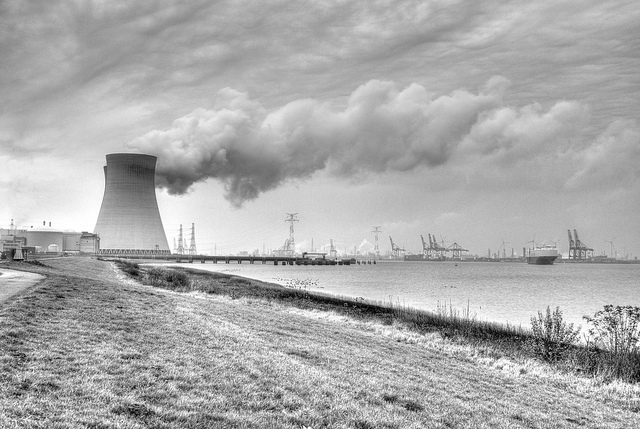
A bad year for nuclear power producers has Belgians and Britons shivering more vigorously as summer heat fades into fall. Multiple reactor shutdowns in both countries have heightened concern about the security of power supplies when demand spikes this winter.
In Belgium, rolling blackouts are already part of this winter’s forecast because three of the country’s largest reactors — reactors that normally provide one-quarter of Belgian electricity — are shut down. Continue reading “Nuclear Shutdowns Put Belgians and Britons on Blackout Alert”
Renewables to Dethrone Nuclear Under French Energy Plan
After months of negotiation, the French government has unveiled a long-awaited energy plan that is remarkably true to its election promises. The legislation’s cornerstone is the one-third reduction in the role of nuclear power that President François Hollande proposed on the campaign trail in 2012.
Under the plan, nuclear’s share of the nation’s power generation is to drop from 75 percent to 50 percent by 2025, as renewable energy’s role rises from 15 percent today to 40 percent to make up the difference. That is a dramatic statement for France, which is the world’s second largest generator of nuclear energy, after the United States. France has a globally-competitive nuclear industry led by state-owned utility Electricité de France (EDF) and nuclear technology and services giant Areva. Continue reading “Renewables to Dethrone Nuclear Under French Energy Plan”
EC Sees Heavy Pricetag to UK Nukes Plan

Government incentives for a pair of proposed nuclear reactors could cost U.K. taxpayers as much as £17.62 billion, thus exceeding the reactors’ projected cost. The EC figure is a preliminary estimate included in an initial report to London published on Friday by European Commission competition czars. The letter notifies the British government that—as we predicted in December—Brussels is launching a formal investigation to assess whether the subsidies violate European state aid rules.
The preliminary findings suggest that the U.K. and E.C. are on a collision source. As the Financial Times summed it up this weekend: “The severity of [the EC’s] initial concerns will cast a shadow over government hopes to win approval for the deal.”
Digging into Miami’s Turkey Point Nuclear Power Station
The Society of Environmental Journalists’ Miami conference energy tour forged forward today, pursuing better understanding of South Florida’s energy options in spite of a disinvitation by local nuclear reactor operator Florida Power & Light. Continue reading “Digging into Miami’s Turkey Point Nuclear Power Station”
Chinese Bullet Trains’ Worrisome “Black-box” Controls
In August we brought you disquieting news that Hollysys Automation — the supplier of a control system implicated in China’s deadly bullet-train collision this summer — also provides controls for China’s nuclear reactors (which are multiplying just as fast as its high speed rail lines). The Hollysys story now looks darker after informed speculation reported in the Wall Street Journal that the company may not fully comprehend how the control systems work. Continue reading “Chinese Bullet Trains’ Worrisome “Black-box” Controls”

