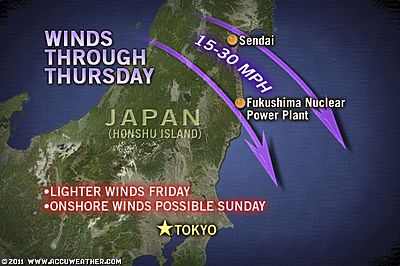
 An explosion earlier today at Japan’s crippled Fukushima Daiichi nuclear power plant could indicate that the primary containment vessels protecting two of its reactors have now been breached. And yet, stunningly, that was not the day’s worst news. Instead concern increasingly focused on the plant’s highly radioactive spent fuel rods, stored in cooling pools above the reactors.
Damage sustained from last week’s massive earthquake and tsunami as well as subsequent fires and hydrogen explosions have critically limited plant operator Tokyo Electric Power’s ability to maintain cooling in several of the plants’ pools or even to replace water that is evaporating or boiling away. U.S. Nuclear Regulatory Commission chairman Gregory Jaczko told a Senate panel this afternoon that one of the pools was empty and that heating of the fuel bundles could thus melt them down—an outcome that could spread radioactive elements far beyond the site. Continue reading “Spent Nuclear Fuel Biting Back at Fukushima”
 Peter Fairley